Understanding the Mental Health Continuum Model
Make it stand out

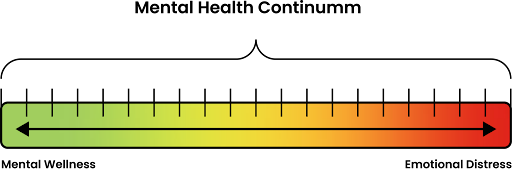
The above model suggests that everyone, regardless of age or background, can experience mental health challenges, and early action in all zones and our responses to stressors can vary significantly among individuals as well as the families.
The Mental Health Continuum Model (MHCM) highlights the spectrum on which mental health exists. It is a framework that emphasizes the importance of early recognition and intervention.
The MHCM illustrates a range of mental health states, categorized into zones that reflect varying levels of mental well-being. The green zone represents a healthy mental state, while the Yellow Zone signifies mild symptoms of mental distress. Individuals must recognize early signs of mental health issues, for the fact that these can escalate if left unaddressed.
The Zones of Mental Health
Green Zone (Healthy): Means a healthy person.
.
An individual who does not harm themselves or others through their decisions or actions
An individual functions well and maintains their own good mental health
An individual who maintains the ability to identify and compartmentalize their emotional ups and downs without harming themselves and others.
The Green Zone is for all individuals who have completed the treatments and have healed their mental health condition.
The Green Zone is also for those who maintain their health through taking their medication and taking control of their life with their acknowledgment and well-disciplined lifestyle.
In all family units, it is vital to regularly assess (or evaluate) our mental health to remain in this Green Zone.
Yellow Zone (Mild Symptoms): This stage indicates a mild reaction to stress, where you or your family member may experience and show slight negative changes in behaviour or emotions.
When this happens, it is good to address it right away to encourage and support them to do self-care to reduce their stress.
At this stage, the mental illness is just mild, so it can be treated if early intervention is made right away.
When you help or support a family member or friend in their healing process, and explain to them that they have your support, this is one of the most important things you should know.
You must do it by considering their point of view. Even though you all are living in the same environment with overlapping experiences, everyone grasps information differently. So be precise about what you offer and give them the power to choose how they want to be helped.
This validates for them that their family always support them and it frees them from the stigmatization of their mental illness.
The first step can be to make an action plan together.
Make your home a judgment-free zone for open discussions.
If you need more help, please don’t hesitate to ask for it until you get the help you need. Never give up. Use all the resources to find a facility with mental health services, and always educate yourself on the specific behavioural or mental health issues your family is experiencing at the moment.
Your family’s plan, as well as the actions you are taking to carry it out, will bring you back into the healthy zone, which is the Green Zone
#We must always remember: Early intervention is critical to prevent the progression. Mental illness is always a very progressive issue, so please do not ignore it.
Orange Zone (Struggling/Injured): At this level, individuals can face more severe symptoms that can interfere with daily life.
Then the symptoms may be easily identified or hidden to see without the mental health professional’s help.
Making it essential for yourself, friends and family to recognize the need for professional help is the only hope to go back into the Green Zone.
Red Zone (Crisis): This stage represents a state of emergency where individuals may pose a danger to themselves or others. There is no other way than making an immediate professional intervention. It is necessary to address severe mental health issues effectively. Make sure you make those decisions for your family.
We should know the Common Causes or Risk Factors for Mental Health Disorders for prevention and early intervention, as well as for early action.
Repetitive Stress: Continuous exposure to stressors, such as domestic (home) violence or long-term illness, which we mostly overlook their effects on a person’s mental health within the family. Physical chronic pain can significantly impact mental health.
Emotional abuse commonly happens in love relationships when one or both parties are suffering from a variety of behavioural disorders.
such as conduct disorders, impulse-control, emotional and behavioural disorders, which are mostly disrupting others' well-being,
*If you and your family identify these problems when they are starting to occur, like in the Yellow Zone, which might be your first few occasional abuses, or you start to ignore them when they repeat, exhibiting or seeing behavioural disturbances are indications of mental problems that most families usually normalize. But the “micro-aggressions” will not stay a micro-problem; the family will suffer and be damaged because behavioural problems grow, unless the person is willing to improve it. As this framework showed us, they grow and cause more damage, like a domino effect, in the family units. So the family intervention, the individual's willingness to get professional help, and most of all, going through with all controlled treatments are a very essential.
Childhood Trauma: Experiences of abuse or neglect can lead to long-lasting mental health issues. Most of the personality disorders are caused by early childhood trauma.
Young parents with children or a baby on the way, please pay attention to your children's mental health development.
Do not think only with your heart when it comes to your children's well-being, think with your brain and actively educate yourself and be open-minded to the new factors in our world. Give children unconditional love because they deserve it. We are always the adults; we need to do our best to stop the pattern of generational, most of all, just to fight the mental health problems that can be devastating to the children’s future lives. We can do our best. Willingness counts.
Family History: Genetic predispositions can increase the likelihood of developing mental health disorders.
Environmental Influences: Societal pressures also contribute to mental distress.
Raising awareness about mental health is essential for reducing stigma and encouraging open discussions within families and communities. Individuals should feel empowered to seek help without fear of judgment. Supportive environments can facilitate healing and recovery, allowing individuals to navigate their mental health challenges more effectively.
Recognize Symptoms: Be aware of changes in behaviour or mood that may indicate mental distress.
Encourage Open Communication: Create a safe space for discussing mental health issues within families and loved ones.
Seek Professional Help: When symptoms escalate, consulting a mental health professional is crucial for effective treatment.
All in all, the Mental Health Continuum Model serves as a valuable framework for understanding and addressing mental health issues as a progressive problem. By recognizing the signs of distress early and fostering open communication, the family and communities can work together to promote mental well-being. Remember, mental health is a journey, and with the right support and interventions, individuals can navigate their way back to a healthy state, Green Zone.
Love and peace to all my readers and your families.
Aimy Belay.
ይህ በእንግሊዘግምኛ ከላይ(ከጎን) የምታዩት፡ የሥነ-አእምሮ ጤና ቀጣይነት ሞዴል (The Mental Health Model - MHCM) ይባላል።
በሥነ-አእምሮ ጤና ላይ ያለንን ግንዛቤ ከሁለትዮሽ (ጤናማ ወይም ታማሚ) እይታ ወደ ሰፊና ተለዋዋጭ እይታ የሚቀይር ጠቃሚ መሣሪያ ነው። ተረዱት።
አእምሮ ጤና ቀጣይነት ሞዴል (MHCM) The Mental Health Continuum Mode።
የአእምሮ ጤና በተለያዩ ስሜታዊ እና ሥነ-ልቦናዊ ሁኔታዎች ውስጥ የሚያልፍ በሁሉም እድሜ፣ በሁሉም ሰው ላይ የሚፈጸም በጣም ተለዋዋጭ ሂደት ነው። ይህ ሞዴል የአእምሮ ጤናን በአራት የተለያዩ የቀለም ቀጠናዎች በመከፋፈል፣ ከጤናማነት እስከ ከፍተኛ የአእምሮ መታወክ ያለውን ደረጃ ያሳያል። ይህን ሞዴል ተከትሎ እራስን እናም ቤተሰብን ማገዝ ይችላሉ።
አራቱ የአእምሮ ጤና ቀጠናዎች ( ለውት ድረጃዎች)
አረንጓዴ ቀጠና - ጤናማ (Healthy): በዚህ ደረጃ ላይ ያሉ ሰዎች መደበኛ የአኗኗር ሁኔታ እና ደህንነት አላቸው። የዕለት ተዕለት ውጥረቶችን በአግባቡ መቋቋም እና ጤናማ ግንኙነቶችን መመሥረት ይችላሉ።
ቢጫ ቀጠና - ምላሽ ሰጪ (Reacting): ይህ ቀጠና ጊዜያዊ እና ሊመለስ የሚችል የጭንቀት ሁኔታን ያሳያል። አብዛኛው ሰው በሕይወት ውጥረት ወይም በአካላዊ ፈተናዎች ምክንያት ለተወሰነ ጊዜ እዚህ ቀጠና ውስጥ ሊገኝ ይችላል። ለጭንቀት ምላሽ መስጠት የተለመደ ቢሆንም፣ ሁኔታው የዕለት ተዕለት እንቅስቃሴን መነካት ሲጀምር መገንዘብ አስፈላጊ ነው።
ብርቱካናማ ቀጠና - ታጋይ ወይም የተጎዳ (Struggling or Injured): ሰዎች ወደዚህ ቀጠና ሲገቡ ከፍተኛ ስሜታዊ ወይም ሥነ-ልቦናዊ ፈተናዎች ያጋጥሟቸዋል። ይህ ደረጃ ወደ ከፋ ሁኔታ ሊቀየር ስለሚችል አስቸኳይ ትኩረት ይሻል። ሁኔታው እንዳይባባስ የባለሙያ እርዳታ መፈለግ ወሳኝ ነው።
ቀይ ቀጠና - የታመመ (Ill / Severely Injured): ይህ የአደጋ ቀጠና ሲሆን፣ ከፍተኛ የአእምሮ መታወክ የዕለት ተዕለት ተግባርን ሊያሰናክል የሚችልበት ደረጃ ነው። በዚህ ደረጃ ላይ ያሉ ሰዎች አስቸኳይ የሕክምና ጣልቃ ገብነት ያስፈልጋቸዋል።
የተለያዩ ቡድኖችን መለየት፡
የአእምሮ ጤና ሁኔታ ለመረዳት የሰዎችን ልዩ የሆነና ስርአዊውን ዋና የአይምሮ ጉዳትን በትኩረት ስብስቦ መለየትንም ያካትታል፦
የታወቀ የአእምሮ ሕመም የሌለባቸው ሰዎች፦ የአእምሮ ጤና እክል ባይኖርባቸውም በሕይወት ውጥረቶች ምክንያት ከአረንጓዴ ወደ ቢጫ ወይም ብርቱካናማ ቀጠና ሊዘዋወሩ ይችላሉ። የራስን ስሜት መከታተል ይረዳል።
የታወቀ የአእምሮ ሕመም ያለባቸው ሰዎች፦ ሕመማቸውን በአግባቡ እየተከታተሉ ያሉ ሰዎች የተስተካከለ ሕይወት ሊመሩ ይችላሉ። የመቋቋሚያ ዘዴዎችን በመጠቀም ወደ ከፋ ቀጠና ሳይገቡ ደህንነታቸውን መጠበቅ ይችላሉ።
ለአደጋ የተጋለጡ ሰዎች፦ ሕመም ያለባቸው ነገር ግን ተገቢውን ሕክምና የማያገኙ ሰዎች በቀላሉ ወደ ቢጫ ወይም ብርቱካናማ ቀጠና ሊገቡ ይችላሉ። እነዚህ ሰዎች ደህንነታቸውን ለመጠበቅ እርዳታ አለባቸው።
የቅድመ ጣልቃ ገብነት አስፈላጊነት። (Early intervention)
የዚህ ሞዴል ዋና መልዕክት ቅድመ ጣልቃ ገብነት ያለው ጠቀሜታው። በቤተሰባችህን የጭንቀት ምልክቶችን ቀድሞ መለየት ወደ ከፋ የአእምሮ ሕመም እንዳይሸጋገር ይረዳል።
ንቁ እርምጃዎች፦
የሚያምኑትን ቤተሰብ የሃይማኖት አስተማሪን ወይም የሚረዳዎትን ጉዋደኛ (ሰው)ያማክሩ።
ያለምንም ማወላወል የሥነ-አእምሮ ጤና ባለሙያ ሳይዘገዩ ነጋግሩ።
የራስን ደህንነት የመጠበቅ ልምዶችን (Self-care) ያዘውትሩ።ትት
ማንኛውንም አይነት ሱስ የሚይረጉ ነገሮችን በተለይ ሲቺነቁ እንድይወስዱ ያአይምሮ ቁስልን ስለሚይባብስ። (Alcohol alter the brain chemistry puts individual to a long-term neurochemical imbalances & contributes to more disorders)
በአጠቃላይ፣ የአእምሮ ጤናችን የትኛው ደረጃ ላይ እንዳለ ማወቃችን ሁኔታውን በአግባቡ ለመቆጣጠር እና የተሻለ ሕኝይወት ለመምራት ይረዳናል።
ለእርስዎ ወይም ለቅርብ ሰውዎ የሚሆን የራስ-እንክብካቤ ዕቅድ (Self-care plan) ሁሌም ይያዙ።
በአጠቃላይ፣ የአእምሮ ጤናችን የትኛው ደረጃ ላይ እንዳለ ማወቃችን ሁኔታውን በአግባቡ ለመቆጣጠር እና የተሻለ ሕይወት ለመምራት ይረዳናል።
ፍቅር ሰላም ከሁላችሁ አይለይ።
ኤሚ በላይ ዘለቀ።